
Current development stage
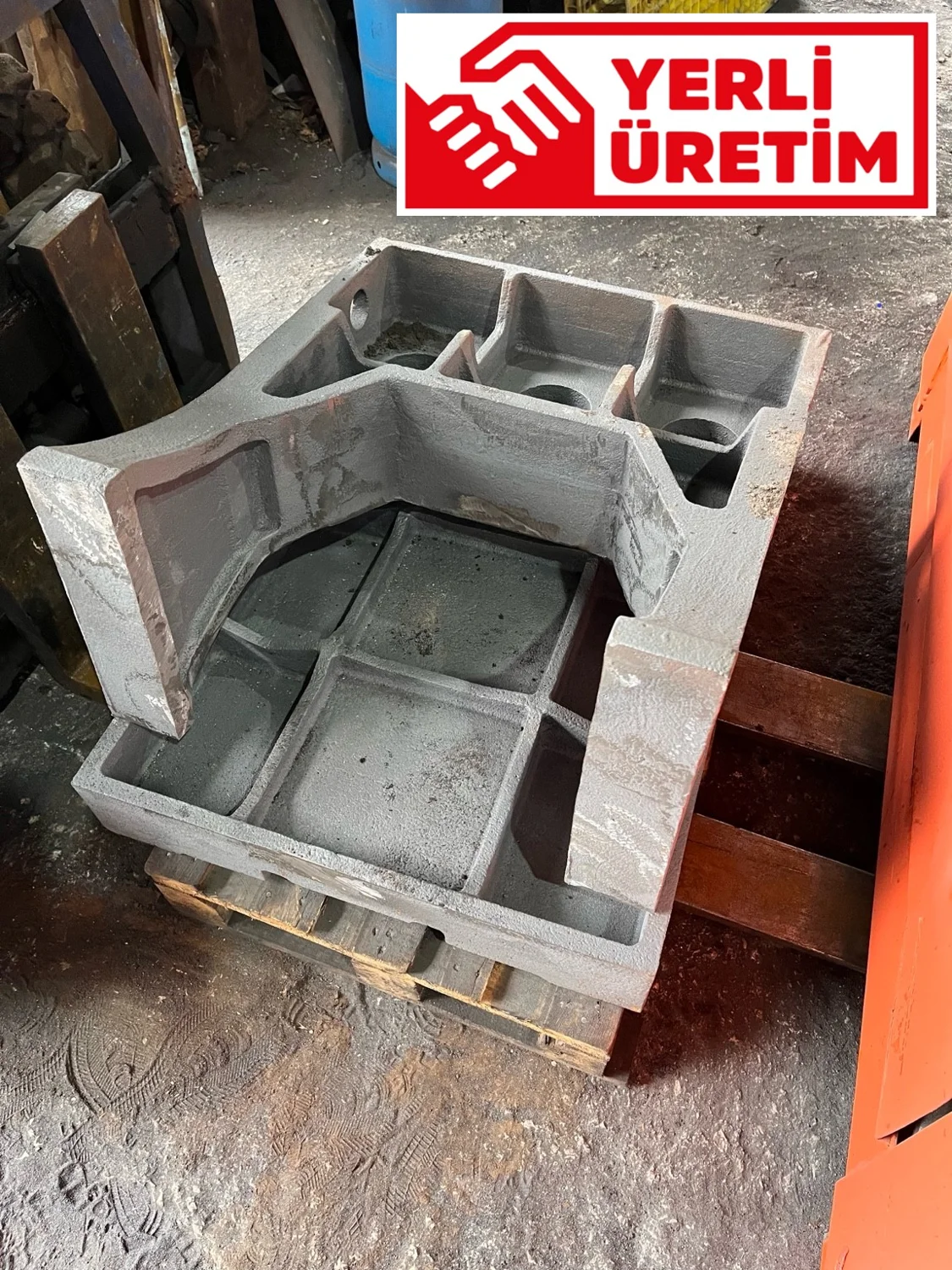
ALPMILL F1 is being developed as a compact three-axis CNC machining center. Supplied original photographs show manufactured castings and mechanical components. They are not acceptance records for a completed production machine or evidence of operation at a customer site.
Structure and components
The base and column are specified in GGG40 ductile cast iron; the subframe, table and enclosure panels use steel. Photographs document castings, component machining, the double T-slot table and the subframe. Photographs do not replace material certificates or dimensional inspection reports.
Planned configuration
The planned machine has 420 × 550 × 350 mm travel and 32 magazine positions. The current flyer gives an estimated dry weight of approximately 1,800 kg, excluding operating fluids and tools. Dimensions, weight and performance depend on final configuration and validation.
Validation still to be completed
Mechanical assembly, axis movements, the tool-change sequence, electrical and control integration and safety functions require checks on the complete system. Positioning, repeatability and sample machining must then be documented under defined conditions. Completed performance tests and a firm serial-production delivery date are not yet being announced.
Photographs versus visualizations
Production photographs show existing components. Views of the white enclosed machine and the machining film are renderings or CGI explaining the concept. The film is not an actual cutting test or evidence of collision-free operation. Share your application so we can review the target configuration with you.
Distinguish development status from production readiness
A CAD model demonstrates design, not validated production performance. An illustrative development sequence proceeds from requirements and risk assessment to a prototype, defined trials and documented release. Custom development allows adaptation but needs more validation than an established standard solution. For deviations, first check load case, measurement setup and revision. Request limits, supply scope and evidence in writing before purchasing.